
Do Books About Money Actually Make You Rich? An Honest Answer
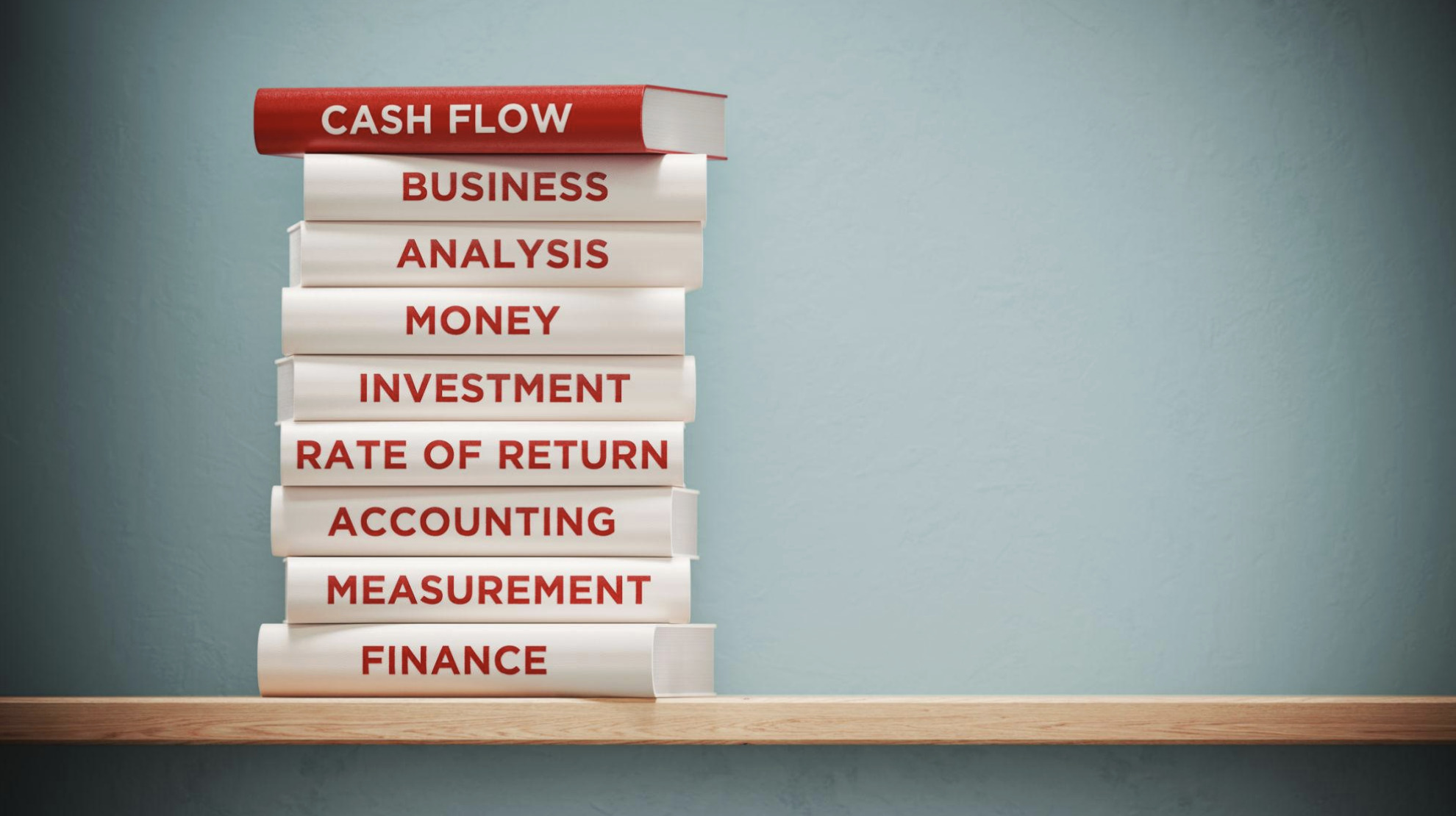
Every few years, a book about money sells thirty million copies. People underline sentences in it. They leave it on their desks where clients might notice. They recommend it to siblings, send the audiobook to their parents, and write about it in journals at six in the morning before the rest of the house wakes up. Then most of them go back to living exactly the way they lived before they read it.
This is not a criticism of the books. It is a question about what books can and cannot do — and it is worth taking seriously, because personal finance publishing is now a vast industry built on a premise that is only partly true.
What Money Books Actually Promise
The genre has a consistent structure, whether the title is from 1937 or last year. There is a revelation — usually that conventional financial wisdom is wrong, or incomplete, or deliberately designed to keep ordinary people in place. There is a framework — assets versus liabilities, compounding returns, the psychology of spending, the difference between how the wealthy think and how the rest of us do. And there is an implicit promise: that understanding these things will change your behavior, and that changed behavior will change your circumstances.
The revelation is usually genuine. The framework is often useful. The promise is where things get complicated.
Rich Dad Poor Dad by Robert Kiyosaki, first published in 1997, has sold over 32 million copies and spent six years on the New York Times bestseller list. Its core argument — that the financially educated understand the difference between assets (things that generate income) and liabilities (things that drain it), and that most people confuse the two — is genuinely clarifying. The book has introduced millions of readers to concepts about passive income, cash flow, and the limits of employment that their formal education never touched.
It has also been criticized extensively for offering almost no specific, actionable guidance about what to actually do once you understand these concepts. The criticism is fair. Kiyosaki tells you how to think about money. He does not tell you how to buy your first rental property, which index funds to choose, or how to negotiate a raise. The gap between the map and the territory is enormous.
The Books That Changed How People Think
Before dismissing the genre, it is worth being precise about what the best money books have actually accomplished — because the intellectual contribution is real, even when the financial results are mixed.
Napoleon Hill's Think and Grow Rich (1937) identified, before the field of behavioral economics existed, that the relationship between a person's beliefs about money and their financial outcomes is not incidental. Whether or not Hill's specific methodology holds up — and some of it does not — the core observation that poverty is partly a psychological state as well as an economic one has been repeatedly confirmed by research conducted decades after his death.
Morgan Housel's The Psychology of Money (2020) is the most technically honest entry the genre has produced in years. Housel's argument is not that you need a particular strategy but that you need to understand your own behavior around money — that reasonable decisions consistently applied beat optimal decisions occasionally applied. He is careful about what he claims. He writes with the discipline of someone who has read the studies and does not want to oversimplify them. The result is a book that changes how readers think without pretending that thinking is the same as doing.
Thomas Stanley and William Danko's The Millionaire Next Door did something the genre rarely does: it went and looked at actual millionaires. What Stanley and Danko found contradicted the popular image almost entirely. Most American millionaires did not inherit wealth, did not drive luxury cars, and did not live in expensive neighborhoods. They built wealth slowly, through disciplined saving, modest spending, and consistent long-term investment in businesses or index funds. The book is not inspiring in the way the genre usually aims for. It is something more useful — it is accurate.
Why Most Readers Stay Exactly Where They Are
Here is the uncomfortable part. Rich Dad Poor Dad changed how millions of people think about money. The Psychology of Money sold over four million copies. And the average household in developed countries carries levels of consumer debt, retirement undersaving, and financial anxiety that have not meaningfully shifted in the decades these books have been available.
The gap between reading and doing is not a new problem. It is structural.
Reading about money is cognitively satisfying in a way that resembles actually managing it. The brain registers the information, processes it, connects it to existing frameworks, and produces a mild sense of accomplishment. This feeling is real. It is just not the same as the feeling of actually opening an investment account, automating a savings transfer, or sitting down with a spreadsheet and a year of bank statements.
There is also the question of structural context. Many of the best money books were written by and for people who already had a foundation — an income above survival level, existing access to credit, some form of safety net. This distinction matters in any field where decision-making is shaped by risk, timing and available resources, from personal finance to regulated digital platforms such as Betwest. The advice in The Millionaire Next Door works well for someone earning a decent salary who is spending more than they should. It is less immediately applicable for someone whose income barely covers housing and food. Financial literacy is a genuine good. It is not a substitute for financial margin.

What the Books Are Actually Good For
The honest answer to whether money books make you rich is: they can, but not in the way most readers expect.
They do not deliver wealth. They deliver a changed relationship with the concept of wealth — what it is, how it is built, what it requires in terms of behavior and patience and tolerance for discomfort. That shift in perspective is genuinely valuable, but it is the beginning of a process, not the end of one.
The readers who report meaningful financial change after engaging with this genre tend to describe a specific pattern: they read something that reframed a belief they held about money — that debt was always bad, that their house was an investment, that their pension would be enough — and then, because of that reframing, they made one or two specific decisions differently. Not dozens of decisions. One or two. They automated a savings transfer they had been putting off. They sold a car they could not afford. They opened an investment account that sat empty for six months before they made themselves fund it.
The book did not do that. The book created a context in which the person could do it themselves.
Which Books Are Worth Reading
If you are going to spend time in this genre — and there are worse places to spend it — a few titles do what they promise better than most.
The Psychology of Money by Morgan Housel is the most honest entry point available right now. It will not tell you what to buy or when. It will tell you how to think about uncertainty, patience, and your own behavioral tendencies in ways that are more durable than any specific strategy.
The Millionaire Next Door by Thomas Stanley and William Danko is the most research-grounded book in the genre and the one most likely to contradict the assumptions you brought to it.
I Will Teach You to Be Rich by Ramit Sethi is the most practically specific — it provides actual account types, automation strategies, and spending frameworks rather than philosophy. It is deliberately tactical in a way the Kiyosaki books are deliberately not.
And A Random Walk Down Wall Street by Burton Malkiel is the book that has, more than any other single text, made index fund investing comprehensible to general readers. If you own one investment book in your life, this is the argument for making it this one.
The Honest Verdict
Money books do not make you rich. They make you better equipped to make decisions that, sustained over years, can make you richer. The gap between those two things is large, and the genre frequently obscures it in the interest of selling copies.
What the best books in this category offer is not a shortcut but a vocabulary — a way of thinking about money that most formal education never provides. That vocabulary is worth having. It will not, by itself, pay off a debt, fill a retirement account, or generate passive income. You have to do those things yourself.
The book is the map. The territory still has to be walked.