Rereading as Comfort Why Familiar Books Still Hold Power
There is a question that readers rarely ask out loud because the honest answer feels slightly embarrassing: how many times have you read the same book?
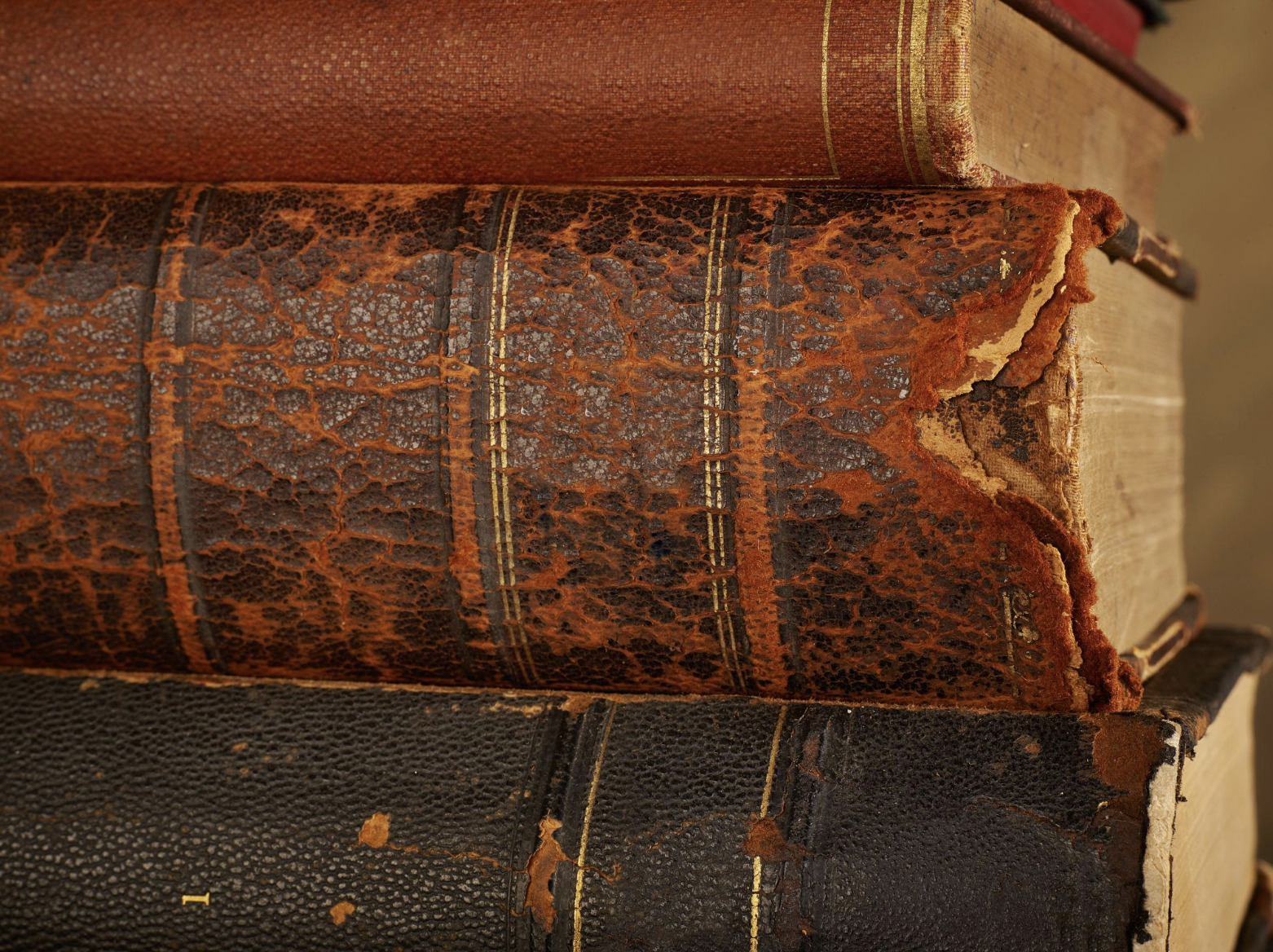
Not the books you are supposed to have read. Not the list of titles that signal the right kind of literary seriousness. The book you have actually read four times, or seven, or more than that — the one with the broken spine and the margin notes in at least two different handwritings because some of those notes are years old and you were a different person when you made them.
Everyone who reads seriously has at least one of these books. Most have several. And almost none of the cultural conversation about reading acknowledges that this is a significant and interesting thing to do, rather than a slightly guilty failure to be moving forward through the unread pile.
This is an essay in defence of rereading. But more than that, it is an attempt to understand what rereading is actually doing — because it is not, it turns out, simply repetition.
The First Reading Is Not the Full Reading
Here is something that takes a few rereads to notice: the first time you read a book, you are reading the plot. You are finding out what happens. You are tracking characters and events and revelations with the specific attention of someone who does not know what is coming and is trying to. This is a legitimate form of engagement, and it produces real pleasure. But it is also, in a certain sense, a surface reading — the one the book requires before it can offer you anything deeper.
The second reading is where the architecture becomes visible. The foreshadowing that you missed. The moment in chapter three where a character says something that you now understand to be the key to who they are, because you know how their story ends. The scene that felt like a pause but was actually the emotional centre of the entire novel, placed deliberately where it could not be fully felt the first time because the reader didn't yet have the context for it.
Writers know this. The best novels are constructed with the assumption of rereading — with details distributed across the text that only cohere once the reader holds the whole shape in their head. The Name of the Wind is built for rereading: Kvothe's storytelling choices in the frame narrative only become legible once you've made it to the end of the trilogy and understand what he is trying not to say. The Lies of Locke Lamora plants things in its early chapters that don't resolve until the final act. Jonathan Strange & Mr Norrell has footnotes that mean different things once you know what the Raven King actually represents.
The first reading is necessary. The subsequent readings are where the book opens.
The Neuroscience and the Simpler Truth
There is a body of research on the psychology of rereading that tends to get cited in pieces like this one, and it is broadly interesting without being strictly necessary. The findings cluster around a few consistent themes: familiar narratives reduce cognitive load, freeing attention for emotional and analytical engagement that the first-read uncertainty forecloses. Rereading produces a form of predictive satisfaction — the pleasure of knowing what is coming is a different but real pleasure from the pleasure of not knowing. There is something the researchers call "narrative transportation" that, counterintuitively, may actually be stronger on rereads than first reads, because the reduced effort of following the plot allows deeper immersion in the world.
All of this is true and none of it quite captures what rereading actually feels like, which is more like visiting someone you know well than like receiving information. You know where the conversation is going. You know the parts that will make you laugh and the parts that will hurt. You go anyway — partly because the knowing is the point, and partly because you are not entirely the same person who visited last time, and the conversation will be different in small ways that matter.
The Tolkien scholars have a term for this, applied specifically to his work: re-enchantment. The idea that a world doesn't lose its magic with familiarity but rather becomes more richly enchanted the more thoroughly it is inhabited. This is not everyone's experience of every book. But it describes something real about the books that deserve and repay rereading — the ones where the world is large enough that you keep finding rooms you didn't notice before.
The Books That Demand Rereading and the Ones That Don't
Not all books reread equally. This is worth stating clearly because part of what makes rereading feel slightly apologetic in literary culture is the assumption that the most serious books are the ones most worth returning to. This is not reliably true.
Some very serious books — densely argumentative novels of ideas, formally experimental fiction that rewards unpicking on first encounter — yield their primary pleasures on the first read and have diminishing returns thereafter. The architecture was the point. You've seen the architecture.
And some books that receive less critical respect — long fantasy series, comfort reads, the novel you've owned since you were fifteen and have kept through three moves — turn out to be inexhaustible. Not because they are better, exactly, but because they built worlds large enough to keep returning to and characters with enough interior life to keep surprising you with what you notice.
The criteria for a rereadable book are distinct from the criteria for a great book, though they overlap significantly. A rereadable book requires: enough world that the reader can inhabit it rather than simply visiting it. Enough character interiority that re-encountering those people at a different moment in your own life produces new responses. Enough structural depth that subsequent readings reveal things the first reading could not access. And — less quantifiable but perhaps most important — a quality of rightness that makes you want to live inside it for a while.
Rereading as Autobiography
There is another thing rereading does that has nothing to do with the book at all: it marks time. The edition you read at sixteen and the edition you read at thirty-two are physically the same object, but the encounter is a record of two different people. Your marginalia from the first reading are a document of who you were and what you noticed then. Your marginalia from the second reading are a conversation with that earlier self — sometimes agreement, sometimes correction, sometimes the embarrassed recognition that you were right in ways you had since forgotten.
This is rereading as autobiography. The books you return to are the ones with which you have a relationship long enough to have a history. They can tell you things about your own development that you would not otherwise have access to — not because the books changed, but because you did, and the difference between the two encounters makes the change legible.
Fantasy readers, specifically, know something about this. The first time you read a dark fantasy series at fourteen, you read it as adventure. The second time, at twenty-five, you read it as political philosophy. The third time, at thirty-five, you read it as a study in how people justify doing what they know is wrong. The book is the same. You are the variable.
In Defence of the Broken Spine
The cultural bias toward the new book — the unread list, the latest release, the sense that forward momentum is the only legitimate direction — treats reading as accumulation rather than relationship. There is a version of reading culture that is essentially a completionist hobby: how many books, how many authors, how many years' worth of a particular prize list.
This is not wrong. Discovery is a genuine pleasure and discovery requires newness. But it exists in tension with the other pleasure of reading, which is depth — the specific richness that comes from knowing something well enough to know what you love about it and what its limitations are and why you keep coming back anyway.
The readers who reread are not the readers who have given up on discovery. They are the readers who have also built relationships with the books that have mattered most to them — who understand, even if they wouldn't phrase it this way, that some books deserve to be read several times over a life rather than once and ticked off a list.